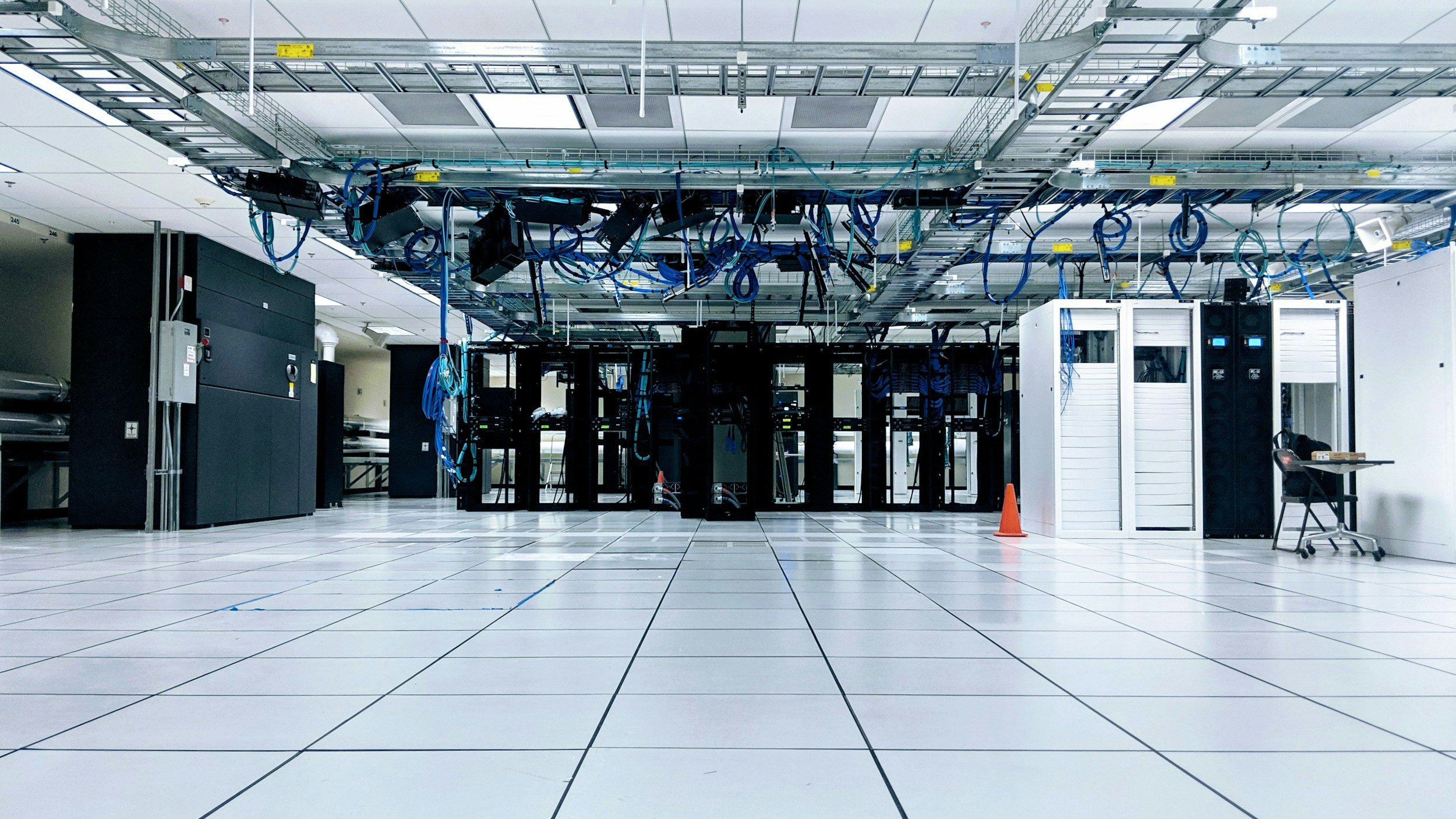
Data Center Players
Here we are posting the men (and women) who are key players in developing data centers in your backyard.
This information is all open source and publicly available should only be used for information purposes.
These men function as influential power players across data center development, financing, and operations, leveraging executive roles, investment platforms, and industry networks to advance large-scale projects even as communities voice strong opposition. Critics argue that figures such as Kevin O'Leary, John Sheputis, Bill Stein, and their counterparts at companies like PDI, Compass, CyrusOne, Digital Realty, Vantage, and Switch have pushed forward with expansions despite widespread protests, public comments, and demands for restraint, often scaling back plans only after significant backlash while continuing to prioritize rapid growth and investor returns over local consent.
In doing so, they have been linked by detractors to environmentally and community-destructive outcomes, including heavy water extraction, grid strain, elevated electricity costs for residents, carbon increases, and land-use pressures that affect ecosystems and quality of life. Key project locations tied to their work include Box Elder County in Utah and areas near Grovedale in Alberta for O’Leary’s initiatives; remote Texas sites such as the Stargate project for Sheputis, Stein, and PDI-backed efforts; Nevada facilities for Rob Roy’s Switch developments; Texas origins and operations for CyrusOne and Compass; plus broader U.S. footprints in states like Mississippi, Virginia, California, and Washington, along with international sites for NTT Global Data Centers, CoreSite, Aligned, and DigitalBridge investments.

Kevin O’Leary
Kevin O'Leary, through O'Leary Digital, has aggressively pushed massive AI data center projects such as the Stratos development in rural Utah and Wonder Valley in Alberta. These proposals have triggered fierce local opposition over plans to consume enormous volumes of water (including transfers that threaten the already stressed Great Salt Lake), demand gigawatts of power that could drive up electricity rates for residents, and dramatically increase regional carbon emissions. After thousands of public comments, protests, and demands from lawmakers, the Utah project was forced to shrink by roughly 75% in developed land; O'Leary publicly admitted the rollout “screwed it up” and “pissed off a lot of people,” yet similar large-scale efforts continue amid widespread community skepticism and environmental pushback.
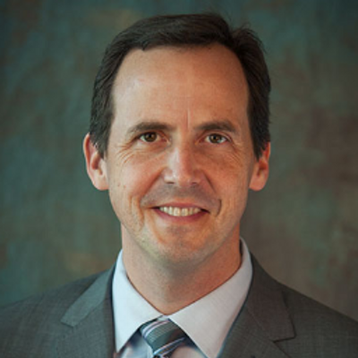
John Sheputis
ohn Sheputis co-founded Primary Digital Infrastructure (PDI), a firm that finances and facilitates rapid hyperscale and AI data center deals. Sheputis has faced accusations of pushing forward with PDI-backed data center deals in remote Texas locations, including the large Stargate project, even as local communities express opposition to the rapid industrial scale. Detractors contend that his influence in financing such builds contributes to environmental degradation and community disruption in Texas and other U.S. hyperscale sites. His earlier career included founding Fortune Data Centers, serving as president of Infomart Data Centers, and holding director roles at Enron Energy Services and Enron Wholesale in the years immediately preceding the company’s spectacular collapse and accounting scandal. Sheputis and PDI have been sharply criticized by community activists for accelerating data center proliferation while allegedly externalizing environmental and social costs onto local populations, publishing zero environmental reports on key projects, and prioritizing speed-to-market over safeguards. Critics have further highlighted alleged family ties to Monsanto’s chemical and agricultural operations, portraying a broader pattern of corporate interests disregarding community and farmland impacts.

Chris Cosby
Chris Crosby founded Compass Datacenters after senior roles at Digital Realty and has aggressively expanded greenfield hyperscale campuses marketed for speed and customization. While the company touts sustainability claims, its rapid large-scale developments have contributed to the broader industry wave of projects facing community resistance over land use, power demands that strain regional grids, and water consumption in already stressed areas. Critics argue that the emphasis on expedited builds for hyperscalers prioritizes corporate profits and AI infrastructure growth over thorough local environmental assessments and genuine community consent.

David "Dave" Ferdman
Dave Ferdman co-founded CyrusOne and led it through periods of aggressive global expansion and multiple leadership upheavals (including his own interim return amid CEO turnover) before its $15 billion private-equity takeover. Now at PDI, he helps steer data center investment strategies. The company’s growth model has been tied to the wider pattern of data center operators building high-density facilities that critics say consume disproportionate energy and water resources, contribute to rising local electricity costs, and provoke opposition from residents and Indigenous groups concerned about long-term ecological and community impacts.
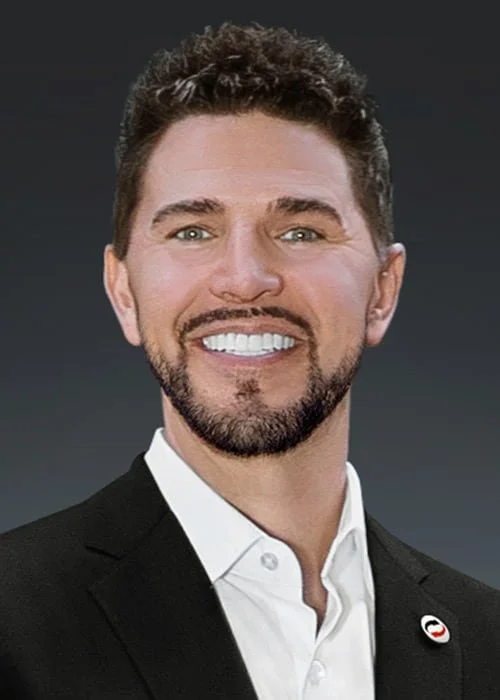
Rob Roy
Rob Roy founded Switch and its SUPERNAP facilities, positioning himself as an innovator in high-density and cooling designs while acquiring assets including a former Enron property. His projects have supported extreme power densities that align with the current AI boom but also exemplify the industry’s escalating demands on electricity generation and water for cooling—demands that critics link to higher utility bills for nearby communities, increased carbon footprints, and pressure on already limited regional resources. Detractors view such patent-heavy, high-consumption approaches as accelerating infrastructure that benefits tech giants at the expense of local sustainability and grid stability.
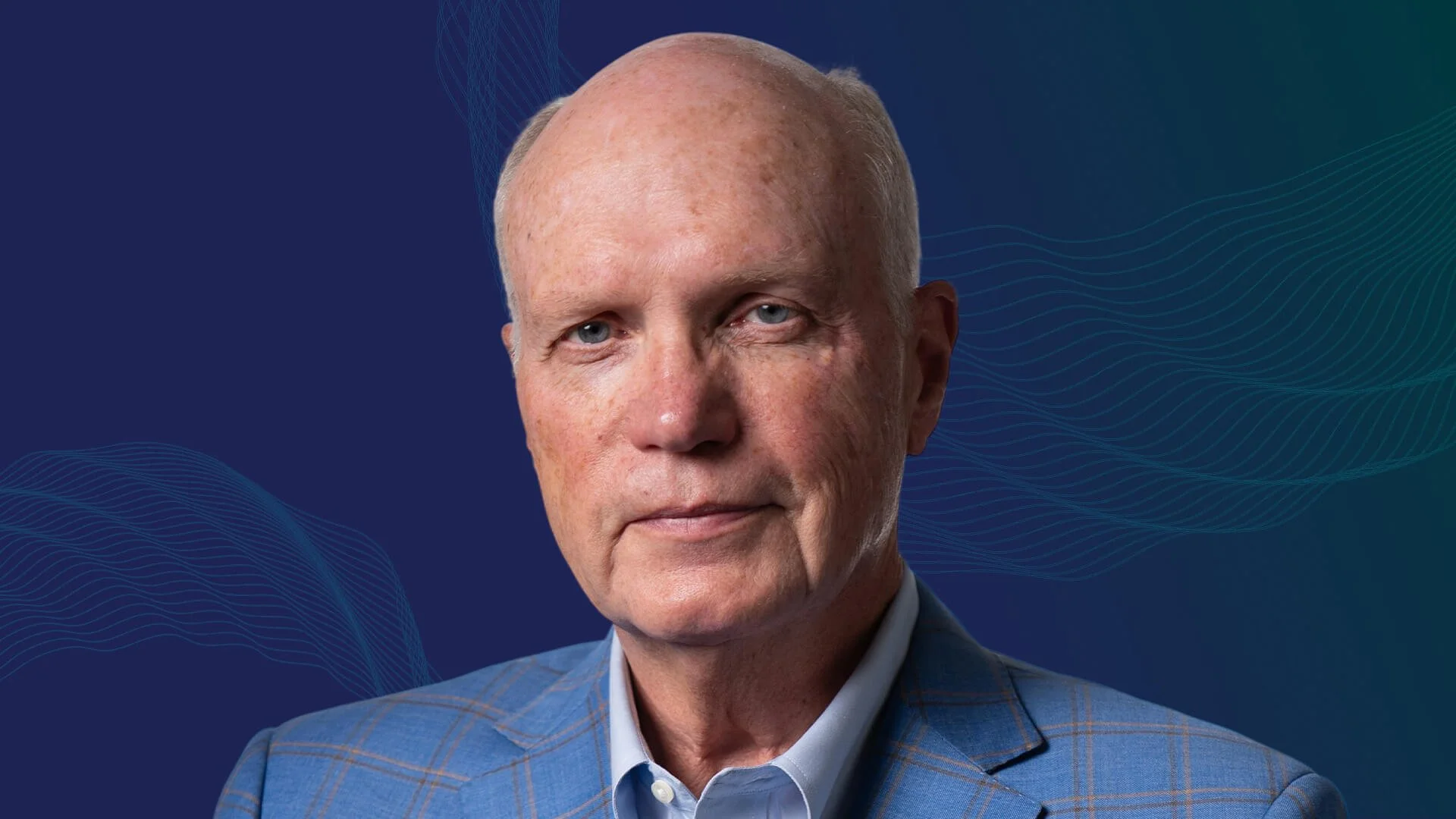
William "Bill" Stein
Bill Stein, now a partner and investment chief at Primary Digital Infrastructure (PDI), previously co-founded Digital Realty Trust and rose to CEO, presiding over explosive growth of its data center portfolio. His tenure ended with his reported firing by the board amid governance controversies. He is connected through his partners to companies Enron, Monsanto and others. At PDI alongside Sheputis, he has been involved in financing structures that activists accuse of enabling fast-tracked, high-impact data center builds that externalize costs—such as strained power grids, water resources, and local opposition—onto communities while generating outsized returns for investors. Critics point to a pattern of executives with histories in controversial infrastructure plays continuing to drive expansion regardless of downstream harms.

Andrew "Andy" Power
Andy Power has risen to CEO of Digital Realty, one of the sector’s most powerful REITs, after earlier roles as CFO and president. Under his leadership the company has expanded aggressively amid the AI surge, drawing criticism for contributing to destructive patterns of grid strain, water extraction on a massive scale, and carbon increases that affect entire regions. Power is seen by detractors as a quintessential power player who uses financial and operational leverage to advance shareholder-driven growth, often at the expense of transparency and mitigation for the communities facing higher utility bills and ecological degradation from the projects he oversees.
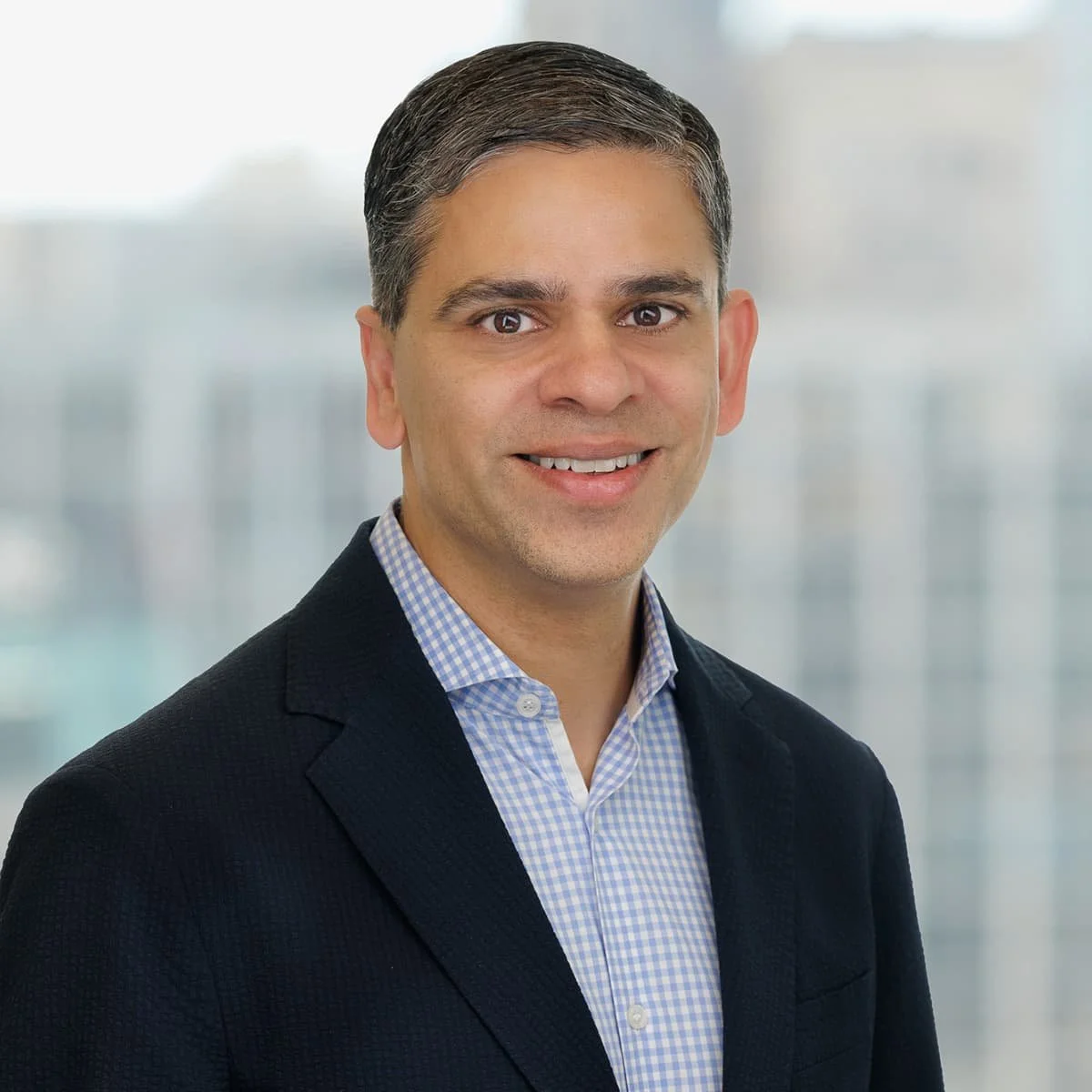
Sureel Choksi
Sureel Choksi has consolidated power as President and CEO of Vantage Data Centers, transforming it into a major global platform for hyperscale capacity. His rapid expansion strategy aligns with industry trends widely condemned as destructive for their cumulative impact on water resources (hundreds of billions of gallons industry-wide), power infrastructure overload, and local opposition. Critics portray Choksi as a connected power player who capitalizes on private-equity backing and executive networks to accelerate builds that prioritize corporate AI demand over the sustainability and consent of the communities and ecosystems forced to absorb the consequences.

Eric Schwartz
Eric Schwartz serves as CEO of CyrusOne, bringing influence from prior senior roles at Equinix to steer post-acquisition growth. His leadership occurs within a sector criticized for destructive resource consumption and community conflicts over energy demands and environmental harm. Detractors regard him as a power player whose strategic positioning allows him to drive scaled infrastructure that benefits investors and hyperscalers while externalizing costs—such as strained local grids, elevated electricity prices, and ecological pressure—onto ordinary residents and landscapes.

Andrew Schaap
Andrew Schaap has exercised power as CEO of Aligned Data Centers since 2017, focusing on adaptive capacity and capital raises to meet explosive demand. His tenure coincides with an industry expansion that critics describe as destructive in its aggregate effects on power systems, water supplies, and community well-being. Observers see Schaap as an influential power player who leverages real-estate and investment networks to push projects that deliver concentrated gains to developers while dispersing environmental and social burdens across affected regions.
Marc C. Ganzi
Marc Ganzi operates as a major power player through DigitalBridge, directing substantial investment capital into data centers and related digital infrastructure. His firm has backed large-scale assets that critics argue accelerate destructive development by financing projects with heavy resource footprints and limited accountability for local harm. Observers describe Ganzi as an elite financier whose influence and deal-making networks allow him to profit from the AI infrastructure boom while the environmental degradation, community opposition, and infrastructure strain are borne by others.

Juan Font
Juan Font holds power as President and CEO of CoreSite (under American Tower), directing growth in colocation and interconnection facilities. These developments form part of the wider data center wave condemned for its destructive demands on energy and water, contribution to utility rate hikes, and pressure on local environments. Critics frame Font as a power player embedded in large corporate structures who advances infrastructure that often proceeds with limited regard for the communities bearing the indirect costs of industrial-scale resource extraction and land transformation.